
Osborne’s False Pursuit of Venables
The Pale HorseOsborne’s attempt to direct suspicion toward Venables is a separate criminal maneuver that unexpectedly exposes the pharmacist himself.
increasing Bearing strength in each event
 decreasing
Bearing strength in each eventdecreasingA Description Too Exact
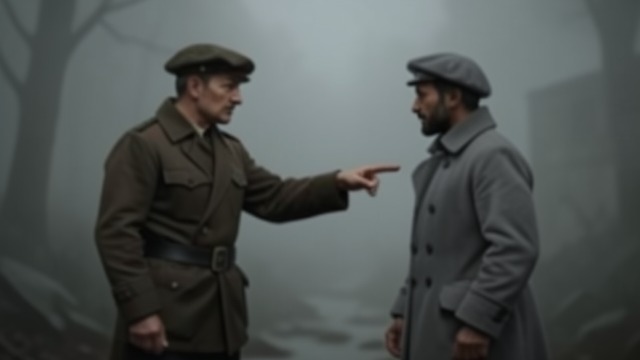
The Witness Raises Doubt
A Story of Visibility
Osborne claims to have seen a tall man following Father Gorman in fog and describes details that seem too precise for the distance. Lejeune listens without immediately accusing him of lying.
The account may be a false identification, an attempt at self-importance, or a deliberate effort to redirect the investigation. Its very precision becomes a source of pressure.
Venables as Suspect
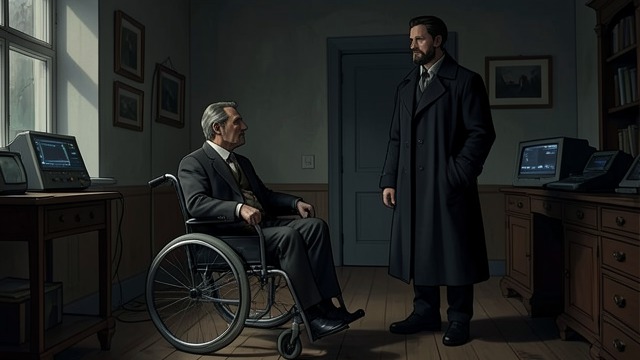
The Convenient Resemblance
A Name Supplied
Osborne identifies the wheelchair-bound Venables as the man he remembers from the night of the murder. The resemblance is striking enough to attract police attention, but Venables’s disability appears to make the identification impossible.
The claim gives Osborne a plausible alternative culprit. It also puts him in contact with the police repeatedly, increasing the chance that his story will be tested.
A Fabricated Explanation
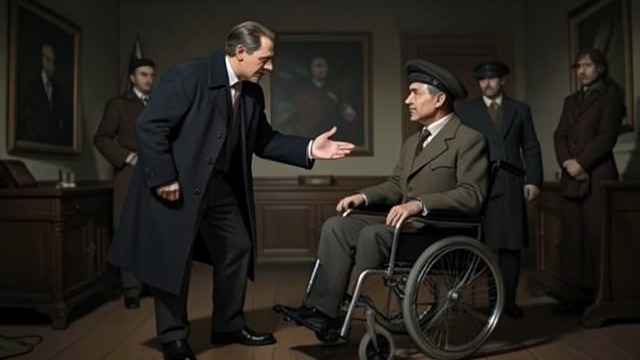
The Impersonation Theory
A Suspicion Enlarged
Osborne suggests that a healthy man could borrow a genuine patient’s medical history and use the patient as cover for a false disability. He offers a detailed story about how Venables might have faked paralysis.
The theory is elaborate but unsupported. Its purpose in the narrative is to show how Osborne’s need to remain right converts an error into an expanding deception.
The Planted Poison
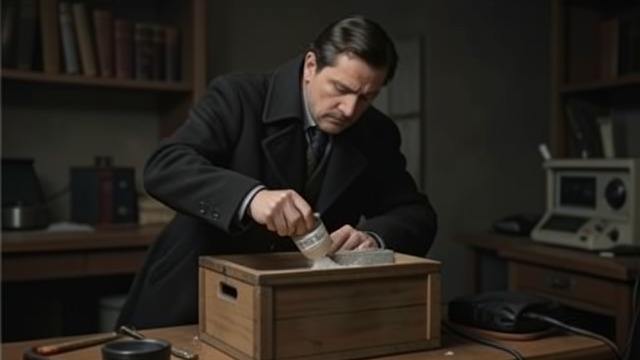
Suspicion Made Physical
A Frame-Up Attempt
Osborne places thallium salts in Venables’s potting shed, apparently hoping that the discovery will support his story and shift attention away from himself. He turns his accusation into planted evidence.
The act escalates the conflict from false testimony to deliberate obstruction. It also gives Lejeune a concrete reason to stage the final confrontation.
The Accuser Unmasked
The Frame Reverses
Exposure Through Overreach
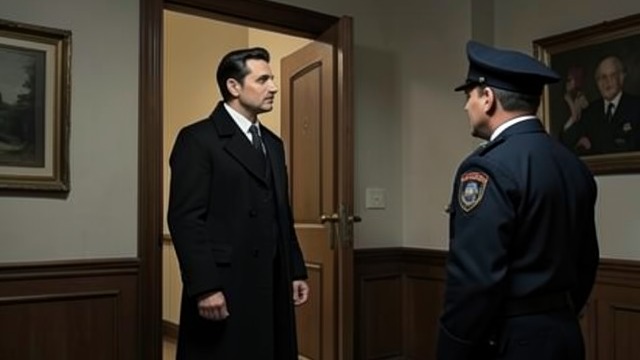
Lejeune reveals that Osborne placed the poison in the shed and that Osborne himself followed Father Gorman. The staged accusation collapses as the police identify the person who has been manufacturing the appearance of evidence.
Osborne’s anger breaks into boasting, confirming how badly he needs recognition. His attempt to control the narrative becomes the instrument of his exposure.
During Lejeune’s first interview with Osborne
After Osborne sees Venables at the church fête
During Osborne’s private talk with Mark
Before the police arrive at Priors Court
During the police confrontation at Priors Court
